


The Miami Dolphins wrapped their second training camp practice on Thursday, and if the first two days have made anything clear, it’s that Jeff Hafley isn’t interested in running camp the way this franchise ran it for the past four years.
Before practice, the first-year head coach met with reporters and laid out — in his own words — the philosophy behind a camp that has already looked noticeably different from the Mike McDaniel era. The 7-on-7 drill is gone; live tackling is back.
And the word “rebuild” is not welcome inside the Baptist Health Training Complex, no matter how often it gets attached to this roster from the outside.
Taken together, it amounts to the clearest picture yet of what the Hafley era is going to look like, and it arrived with the kind of detail that tells fans exactly why things are changing.
Why Hafley Killed the 7-on-7 Drill
Through two practices, the Dolphins have skipped the 7-on-7 period entirely, running their team work in a full 11-on-11 format instead. Hafley’s reasoning is that the shorthand version of football teaches habits that don’t survive contact with a real game.
“There is no rush, timing, rhythm. You create a lot of bad habits,” Hafley said. “It’s not real.”
Hafley expanded on that point Thursday with a specific example from the first practice. With officials working the 11-on-11 periods and throwing flags, he explained, situational details carry real consequences — and he pointed to a third-and-10 snap from Wednesday on which a defensive end lined up offsides, exactly the kind of mistake a 7-on-7 period would never expose.
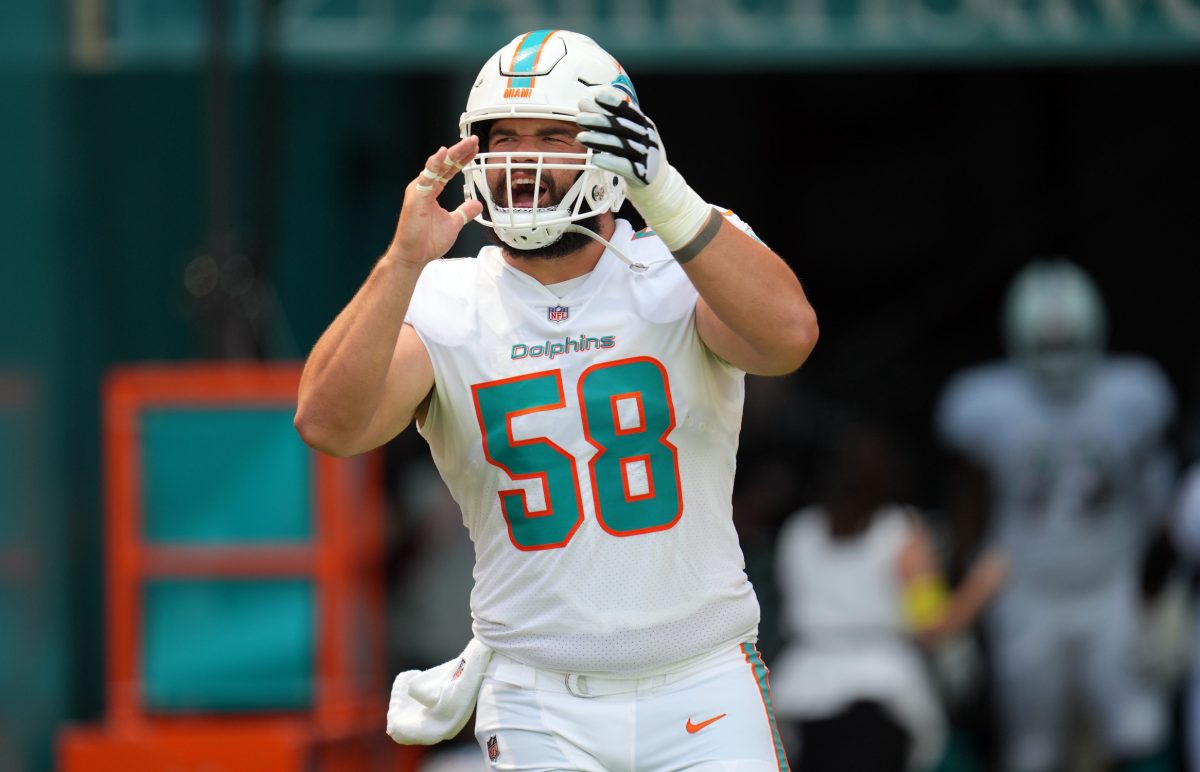
The players blocking and tackling for him seem fully on board. Center Aaron Brewer, who signed an extension this offseason, said the format is intentional.
“That’s just real life football; we’re not out here playing flag football when you go to the game,” Brewer said.
There’s structure behind the intensity, too. Hafley opened Thursday’s session by telling the team it would be the longest practice of the week — a “high day” in his rotation of high, medium and low workloads designed to push players without wearing them down. Third-year receiver Malik Washington said the game-realistic format has helped his development.
Live Tackling Returns to Miami Gardens
The 7-on-7 decision is one piece of a larger physicality overhaul. When Hafley was asked on report day whether his practice plans include live tackling, he didn’t hedge.
“They do. They do. Are you excited about that? They do,” Hafley said.
That marks a genuine break from recent history. Miami avoided live tackling in camp under McDaniel, part of a leaguewide trend toward protecting players from summer contact.
Hafley, who arrived from Green Bay after serving as the Packers’ defensive coordinator, has decided the tradeoff is worth it for a team that developed a reputation for folding when opponents turned physical.
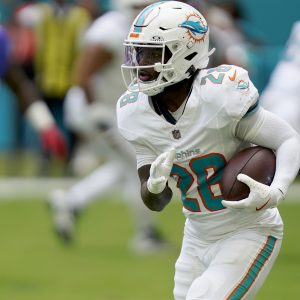
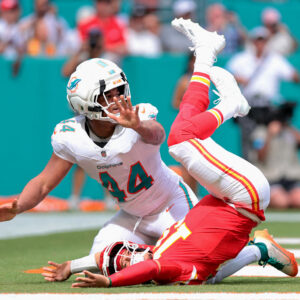
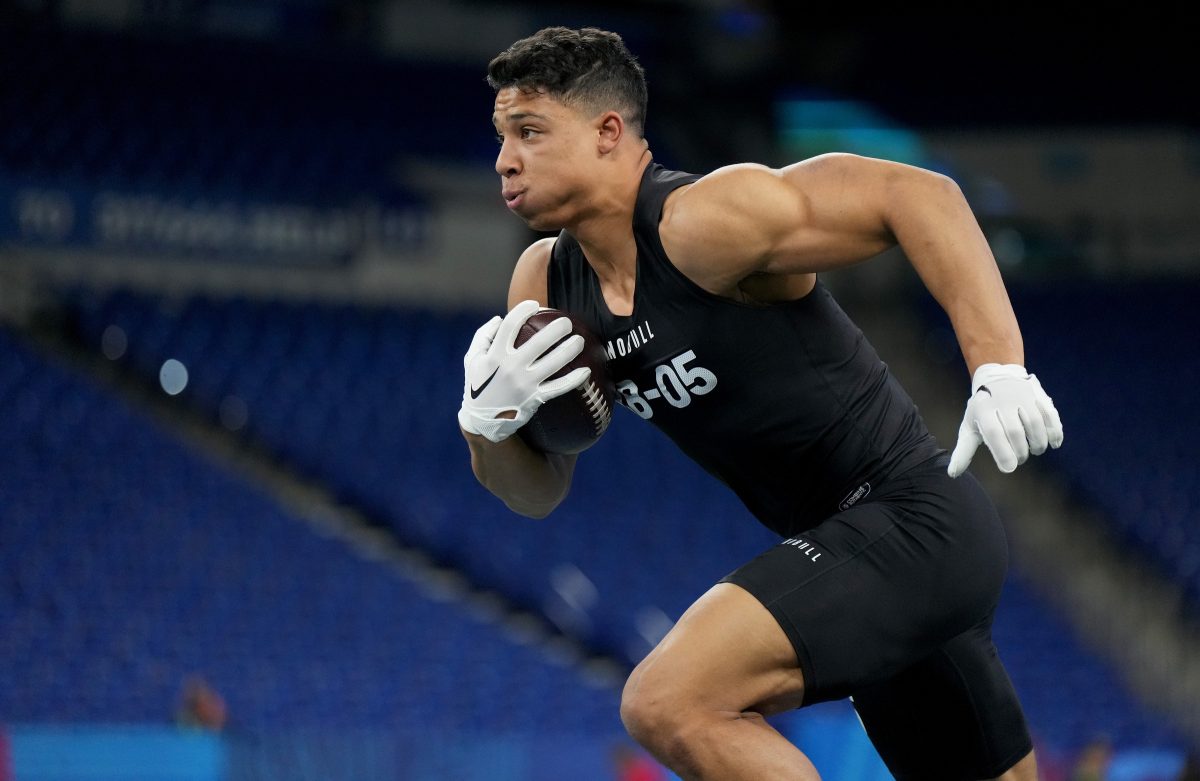
The early returns have been visible. Thursday’s practice featured a forced fumble and recovery by edge rusher Chop Robinson against De’Von Achane in 11-on-11 work, and rookie cornerback Chris Johnson added a forced fumble and recovery of his own against running back Ollie Gordon II.
Two takeaways in one padless July practice won’t decide anything in September, but it’s precisely the tone Hafley has said he wants his defense to set.
‘We’re Just Going to Rebuild This Year’ Isn’t in the Vocabulary
The bigger headline from Thursday’s availability was philosophical. Asked about the sweeping roster turnover and the widespread assumption that 2026 is a bridge year, Hafley pushed back on the entire premise.
“I don’t know how you can have a conversation with a competitive player or a competitive coach and have it sit right with them where we’re just going to say, ‘We’re just going to rebuild this year,'” Hafley said. “I think we all want to win. And our mindset is we need to get better.”
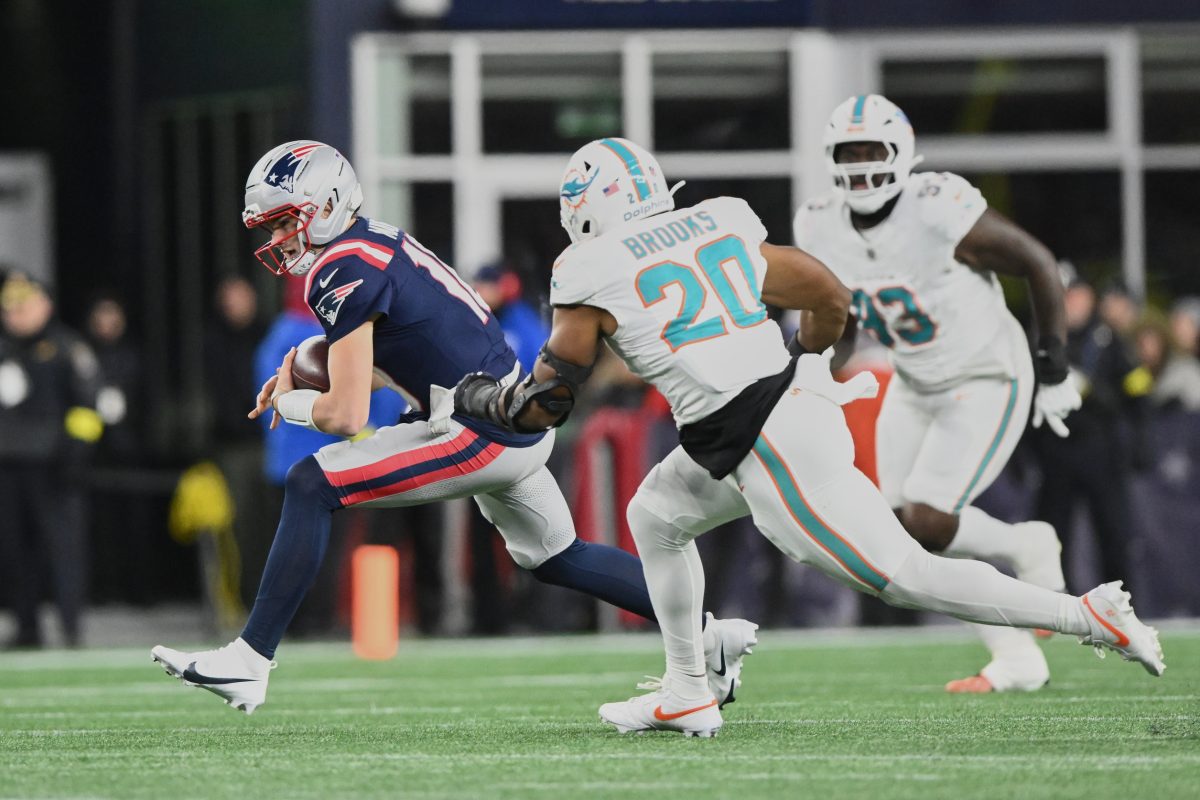
Veteran linebacker Jordyn Brooks — fresh off his three-year contract extension — echoed the sentiment in terms that will resonate with a fan base tired of hearing national projections.
“I don’t really care if people think that it’s a rebuild or they think we’re going 0-17 or whatever people have been saying,” Brooks said, adding that the locker room is full of hungry, talented players who belong in the league.
The extensions themselves back up the message. Miami committed to Brooks, Brewer and Achane this offseason rather than stripping the roster entirely, a signal that the new regime intends to reward its own producers while it retools around them.
The Cap Reality Behind the Mindset
None of this happens in a vacuum, and the honest context is that the Dolphins are paying dearly for the roster they just dismantled. More than half of Miami’s 2026 cap space belongs to players who are no longer on the team.
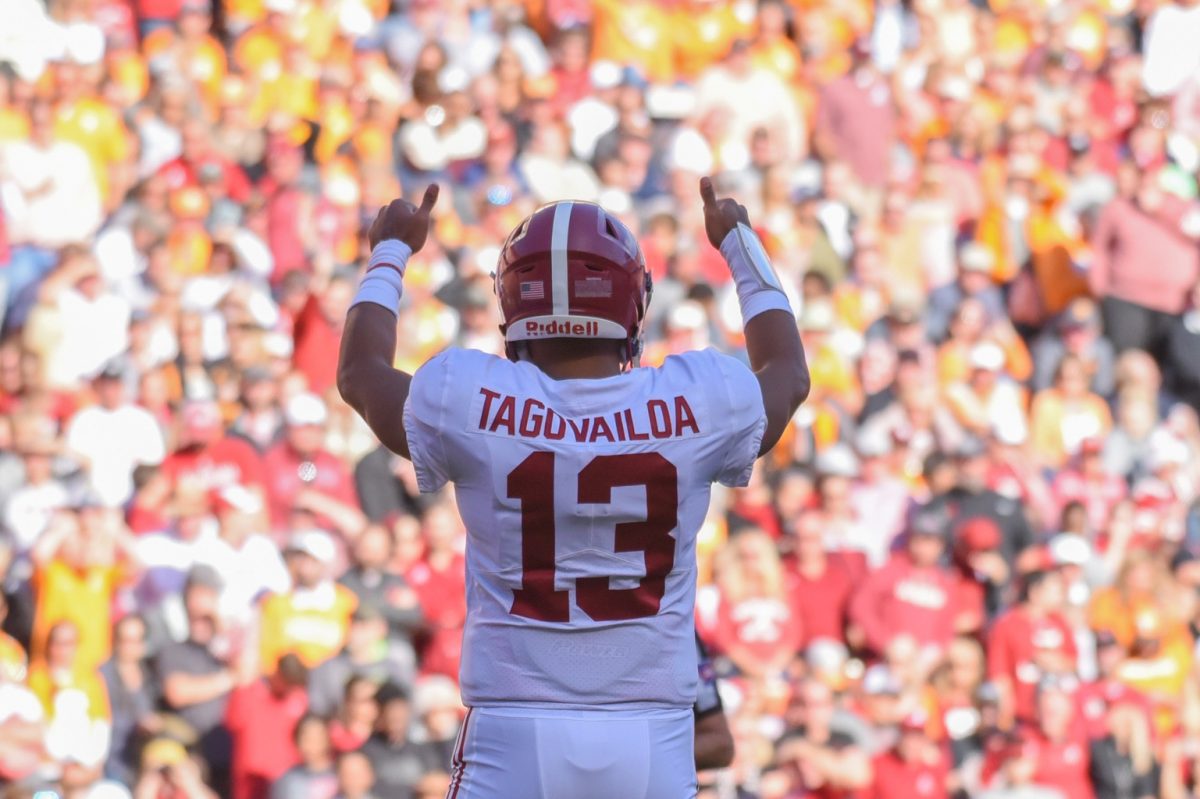
That includes $54 million owed to Tua Tagovailoa, released in March, a move that produced a $99 million dead cap charge — the largest in NFL history — spread across two seasons. The teardown also sent Tyreek Hill and Jaylen Waddle out the door, gutting the receiver room that defined the McDaniel years.
General manager Jon-Eric Sullivan, who arrived in January, has attacked the problem the way his former organization would. The ex-Packers executive has shed expensive veteran contracts, signed younger players largely to one-year deals and committed to the draft-and-develop model that sustained Green Bay’s success.
It’s a slower path, but it’s a coherent one — and it explains why the coaching staff is treating every padless July rep like a developmental investment rather than a placeholder.
What It Means for Malik Willis and the Young Roster
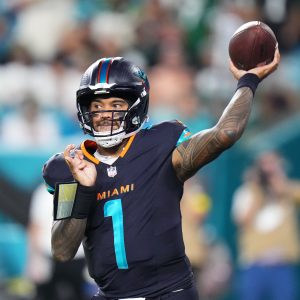
The player with the most to gain from a camp built on game-realistic reps is the quarterback running it. Malik Willis enters his first Dolphins camp as the presumed starter, and his approach has matched the tone his coach is setting.
“I’m just trying to do whatever I can to earn that role every day,” Willis said on report day, per the team’s website.
Every 11-on-11 period with officials on the field is a live-fire rep for a quarterback who needs as many of them as he can get.
The same logic applies across a roster loaded with unproven youth. Hafley said Achane and offensive tackle Austin Jackson are ready to go after limited offseason work, per the team’s website, and he expects cornerbacks Darrell Baker Jr. and Storm Duckback at some point this season.
Fans get their first look soon. Camp opens to the public on Sunday, Aug. 2 at the Baptist Health Training Complex, and the preseason opener follows on Aug. 14 against the Commanders — with a joint practice against the Giants set for Aug. 20.
Whether any of this translates into wins for a team most of the league has written off is a question for the fall. What’s already answered is the question of identity.
Two days into his first camp, Hafley has made the Dolphins harder, longer and more literal about football than they’ve been in years, and he’s done it while telling his players the results are supposed to matter now — not in 2027.